
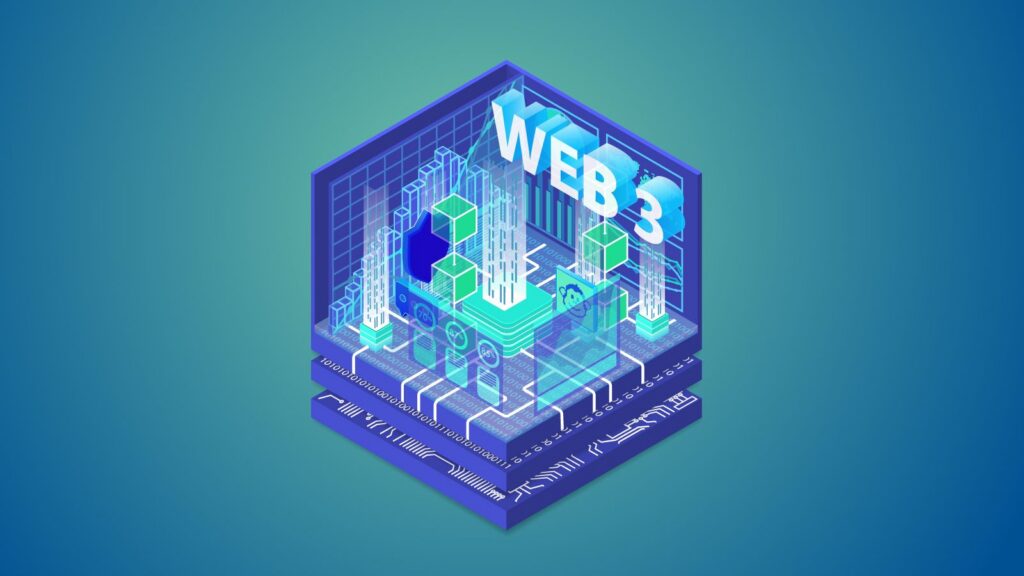
Web3, or Web 3.0, is dubbed the next era of the internet. It is already changing your experiences on the internet, the same way metaverse, NFTs, or crypto. What exactly is Web3? Let’s find out together in this article.
Web3 is the newest version of the internet. It adds to what we are already using. Eventually, Web3 will shape what metaverse is and how we buy. For example, AI could pick the best VR headsets for us. And it makes our data more secure.
What is Web3?
When you ask what Web3 (Web 3.0) is, the answer is it is the next evolution of the internet that grow out of Web 2.0. We do not know what it will eventually be. Because there are no clear definitions of this progression.
Similar to previous versions of the internet, Web3 is building off past generations. It is considered read-write-own or read-write-execute version. Decentralisation, privacy, machine learning and security are trends we are already seeing that will shape Web 3.0’s environment.
How is Web3 Different from Web2?
There are a few fundamental differences between Web2 and Web3, but the most important is decentralisation. In Web3, developers do not usually create and deploy applications that run on one certain server or that store their data in one certain database (usually hosted on and managed by a single cloud provider).
On the contrary, Web3 applications either operate on blockchains, decentralised networks of many peer to peer nodes (servers), or a combination of the two that forms a cryptoeconomic protocol. These apps are often called dapps (decentralised apps). You will see the term often in Web3 space. To achieve stable and secure decentralised networks, network participants (developers) are motivated and compete to provide the highest service quality to users.
When you hear about Web3, you would notice that digital currencies are often a part of the conversation. This is because digital currencies play an important role in these protocols. They provide financial incentives (tokens) for anyone wanting to create, govern, contribute, or improve one of the projects themselves. These protocols often offer varieties of services such as processing, storage, bandwidth, identities, hosting, and other web services cloud providers provide in the past.
- People can earn by participating in various protocols – both technical and non-technical levels.
- Users usually pay to use the protocols, as they would pay cloud providers like AWS. However, in Web3, the money is sent directly to network participants.
Similar to forms of decentralisation, you see that unnecessary and inefficient intermediaries are cut out. Many web infrastructure protocols like Filecoin, Livepeer, Arweave, and The Graph issue utility tokens that govern how protocols work. These tokens also reward participants in different levels of the network. Even native blockchain protocols like Ethereum operate in this manner.
Web 3 – the Model of Decentralised Internet
The main focus of Web3’s meaning is decentralisation. Make online communities belong to everyone with transparent information sharing. Instead of storing information through database giants such as Google, information is freely shared and stored in many. Everything is shared by DAOs (Decentralised Autonomous Organisations). DAOs are groups built for one purpose. They are run by communities, relying on each member within the DAOs to work in the best interest of reaching a common goal.
“DAOs really emerged amongst cryptocurrency enthusiasts, and are largely used to make decisions in a bottom-up, ideally equitable management approach.”

Web3 and Privacy through Blockchain
Blockchain is an important part of decentralisation. Ownership of things on the internet is registered on the blockchain, which is a transparent and publicly accessible data system. It allows anybody to see what is happening. An example of people using blockchain includes registering digital assets (NFTs) and tokens (crypto), which allow people to transfer digital goods seamlessly without needing to know other parties. Personal identities are not revealed unless users decide to share their real identities by linking their blockchain wallets (Think of this as your Web 3.0 ID) to their personal information.
There is one main difference between blockchain technology and past infrastructures. Databases in the past were controlled by a single person or organisation. They had complete control over that system. They could control how data is stored and changed, leading to errors and fraud. On the other hand, blockchains allow anyone to create systems that can be audited by anybody. Because it is open to everyone, it allows anyone to understand the systems they are connecting to and to develop trust with users who use their apps.
Web3 and Security through Encryption
Encryption is a part of Web3. Basically, it ensures no one can access data except for the intended parties. Although we already use encryption to protect our online data, but as the internet evolves, we will use it to ensure data can be both publicly transparent and privately owned.
For example, encryption keeps your information private whilst you transfer ownerships and assets on the blockchain.
Machine learning through AI
Another piece of Web 3.0 puzzle people dreamed of in 1990 was computers would be able to contextualise information like the human brain. In addition to knowing what the information is, AI (Artificial Intelligence) would understand meanings and emotions behind the information, and serve it up to humans in more intelligent ways than search engines do today. For example, AI could find you a pair of shoes at the best price point using your personal preferences and styles, similar to a human personal shopper.
In addition, AI could be used to make valuable things using this advanced way of learning. For example, creating new medicines, manufacturing new products, even generate art that could be sold as NFTs.

How Does Web3 Fit into Metaverse?
Although it is hard to pinpoint, it is possible the metaverse will use blockchains to keep track of digital asset storage. One potential use is that creators in metaverse may be able to register their digital assets, such as sound, music, immersive experiences and games safely and transparently. AI in Web 3.0 may be able to build custom metaverse games or environments based on user’s personalities and preferences.
Disadvantages of Web3
What are cons of Web 3.0? Now is too soon to tell. We are still in the early stage of the new version of the internet. Some believe DAOs could be chaotic. Hate speech and misinformation, for example, could become worse because there are not anyone to control it. Policies may eventually help sort things out. Although DAOs reject the constraints of centralised control, they still need to adopt governance policies, including data governance. As DAO organisations operate completely online, governing data effectively is essential for security, access, collaboration and more. DAOs are built on and work using digital information. Ensuring that this data is well managed using dedicated tools should be at the top of the list when deciding on governance protocols.
How Does Web3 Affect Our Lives?
In the future, your data will be yours. You can use it to create a better life. Companies collecting your personal data every time you buy or search for something online might be obsolete. AI could work as your personal butler, personalising experiences for you using the data you control. You may also be able to build custom games and environments using AI.
Although there are a lot that may come with Web3, something is already happening like pulling away from big data with an emphasis on giving users more freedom and. Whilst Web 3.0 seems exciting, and a little worrying, what is important is to remember that there will not be immediate big changes. Over time, the internet as we know it will slowly evolve into the new version, like 1.0 having evolved into 2.0. It will be easy for most people to adapt because earlier will remain. We may not even realise it is happening. Some experts estimate it will take a minimum of 5 to 10 years.
Source